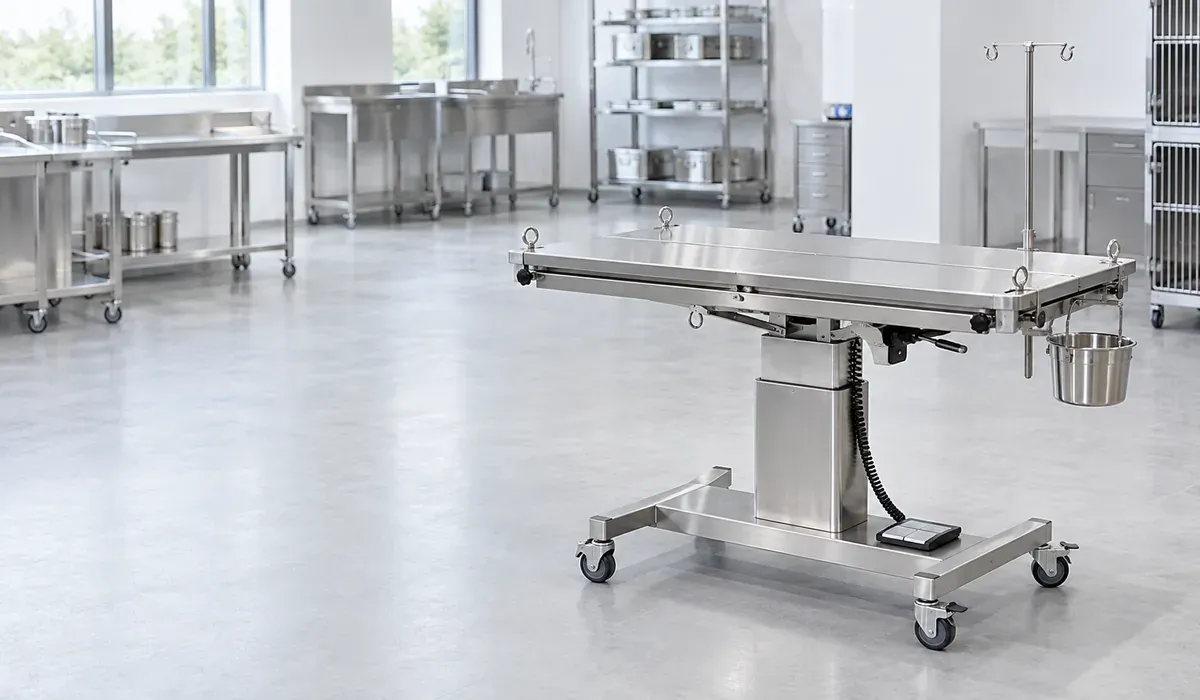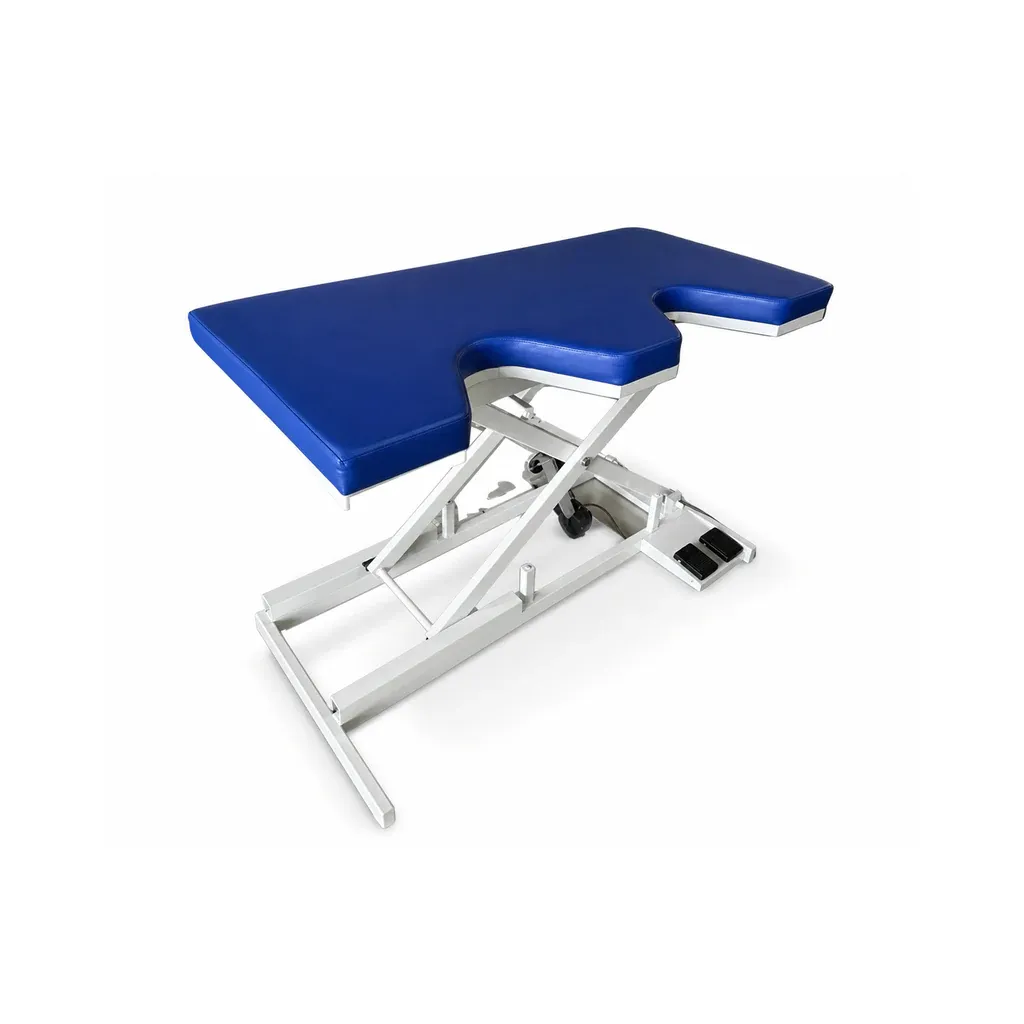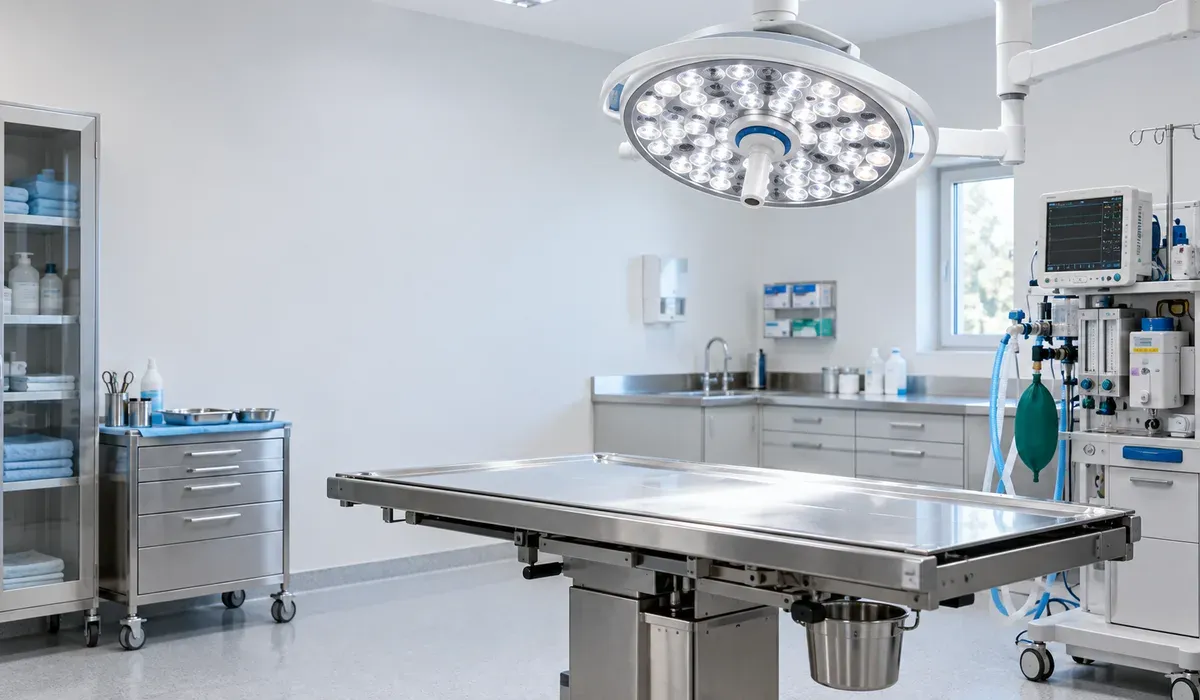
Veterinary Equipment Guides
Pet Grooming Table Buying Guide: Electric vs Hydraulic, Size & Stainless Steel
Electric or hydraulic? What size, and how much weight should it hold? A short, practical guide for clinics and salons buying a grooming table.
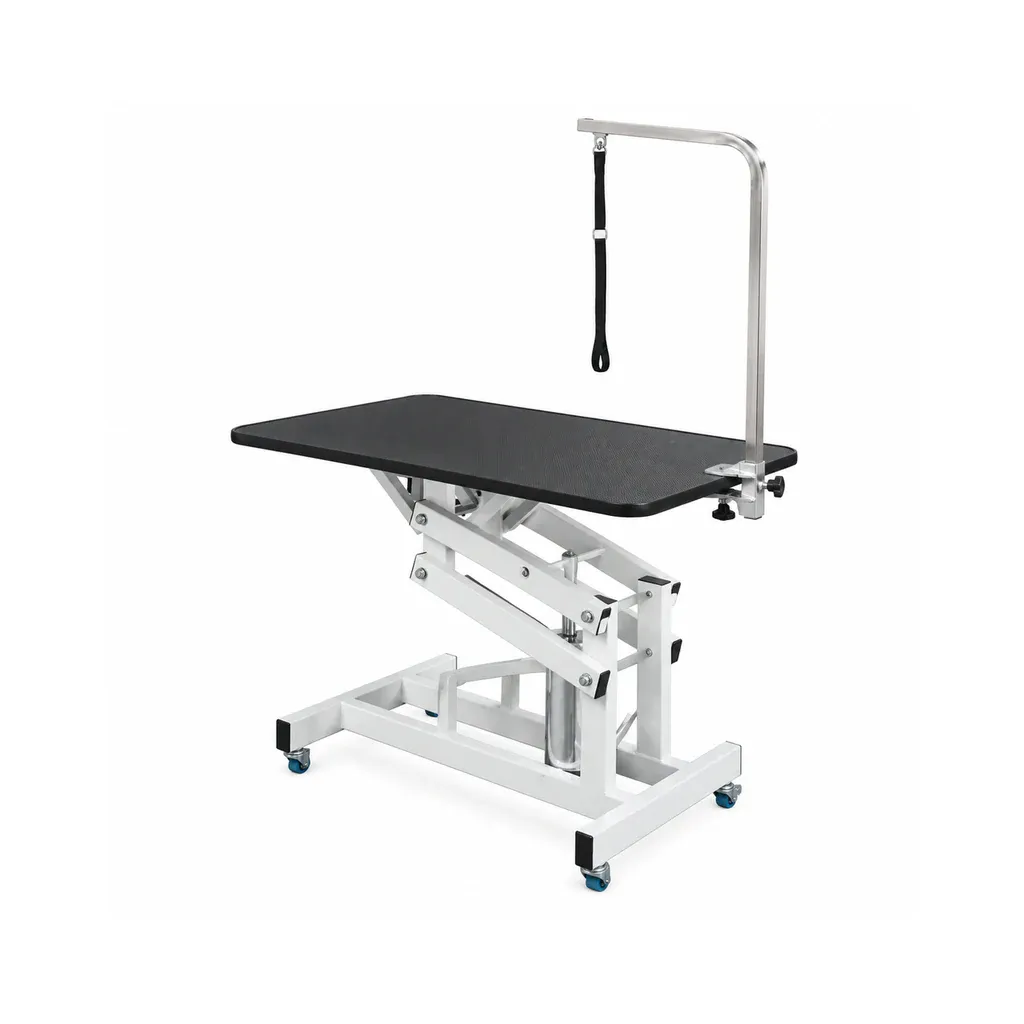
A grooming table is not just a flat surface. Get it wrong and every groom takes longer, backs ache, and nervous animals slip. Get it right and nobody thinks about the table at all.
Here is what actually matters when you buy one for daily professional use.
Electric, hydraulic, or fixed?
This is the first decision, and it sets everything else.
Lift type | Good for | The catch |
|---|---|---|
Electric | Busy rooms, big dogs, height changes all day | Needs a power point nearby |
Hydraulic | No power point, steady daily use | Slower, and your foot does the work |
Fixed height | Light use, one groomer, a second table | Everyone works at the same height |
Most busy clinics go electric. Lower it to load a large dog, raise it with one hand free, and you are working upright instead of bent over. Hydraulic makes sense when power is awkward. Either way, check three things before you order: does it move smoothly, does it stay put at working height, and can you reach the control without letting go of the animal?
Size and weight: measure the biggest dog, not the average one
A table that is too small leaves a dog standing near the edge. Too big, and you are reaching across it all day.
Size for the largest animal you groom regularly. It should stand, turn, and lie down with room for your hands and tools beside it. Ask the supplier for the rated load of that exact model, then compare it with your heaviest dog. Do not guess from the tabletop size.
Leave space to walk around at least two sides. A table that fits on paper can still feel crowded once a groomer, a trolley, and a wet dog are all in the room.
Steel, surface, and cleaning
304 stainless steel is the practical choice here. It resists rust and wipes down fast, which matters when you clean the table many times a day. Ask which parts are stainless and which are not, and check the welds. Smooth, finished welds. No sharp edges, no rough spots where hair collects.
The top itself still needs grip. A shiny, smooth top looks clean and slips under paws. Look for a textured or rubber non-slip surface that will not peel at the edges or trap water underneath.
Cleaning is where similar-looking tables separate. Smooth surfaces, accessible joints, no deep grooves, no fabric that holds moisture. Before you buy, ask how long a full wipe-down takes. That answer tells you more than a catalogue photo.
Safety is mostly small details: a sturdy grooming arm, no pinch points in the lift, castors that lock, and a table that does not wobble when a dog shifts its weight. For older or heavier animals, a low loading height or a ramp helps more than any extra feature.
Room, power, and the quote
Think about the room, not just the table. Electric tables need a power point close enough to avoid a trailing cable, and far enough from water. Keep brushes and clippers on a nearby trolley, not on the tabletop. Measure the door and corridor before you order — a large table that cannot reach its room is a common, expensive mistake. Vetese's delivery checklist (https://www.vetese.com/posts/veterinary-clinic-equipment-delivery-checklist) covers the access measurements buyers most often forget.
If the table sits next to a tub, plan the flow between them. The dog should move from tub to table without a long carry or a slippery floor. Vetese's guide to choosing a stainless steel pet grooming tub (https://www.vetese.com/posts/how-to-choose-stainless-steel-pet-grooming-tub) covers the wet side of that workflow.
When you request a quote, send the supplier this list: largest and smallest animals, animals per day, preferred lift type, tabletop size and height range, rated load, and room dimensions with door widths. A supplier who gets that list can quote the right model. One who only hears "a grooming table, please" has to guess.
FAQ
Electric or hydraulic — which should I pick?Electric if the height changes often or several people share the table. Hydraulic if there is no convenient power point. Either way, test that it lifts smoothly and holds its height.
What size do I need?The largest dog you groom regularly, not the average one. It should stand and turn comfortably, and you should still be able to walk around two sides of the table.
Can I get a custom size?Often, yes. Vetese offers OEM/ODM and custom sizes. Share your room dimensions and the animals you groom, and the custom option can be based on your actual use rather than a guess.
Tell Us About Your Grooming Room
Planning a new room, replacing an old table, or buying for several rooms at once? Request a Quote (https://www.vetese.com/contact-us) and tell Vetese about the animals, the daily workload, and the room size. The team in Nantong, China, makes 304 stainless steel veterinary equipment for clinics, hospitals, and distributors, and can advise on standard models, custom sizes, and OEM/ODM options.